Understanding Streaming Current Monitoring
In the world of industrial process control and water treatment, maintaining optimal performance is crucial. Streaming current monitoring provides a real-time, sensitive method to assess the stability of dispersions, emulsions, and other colloidal systems. This article will delve into the principles, applications, benefits, and technologies behind streaming current monitoring, providing a comprehensive overview for professionals in various industries. Properly understanding and implementing this technology can lead to significant improvements in product quality and process efficiency.
What is Streaming Current Monitoring?
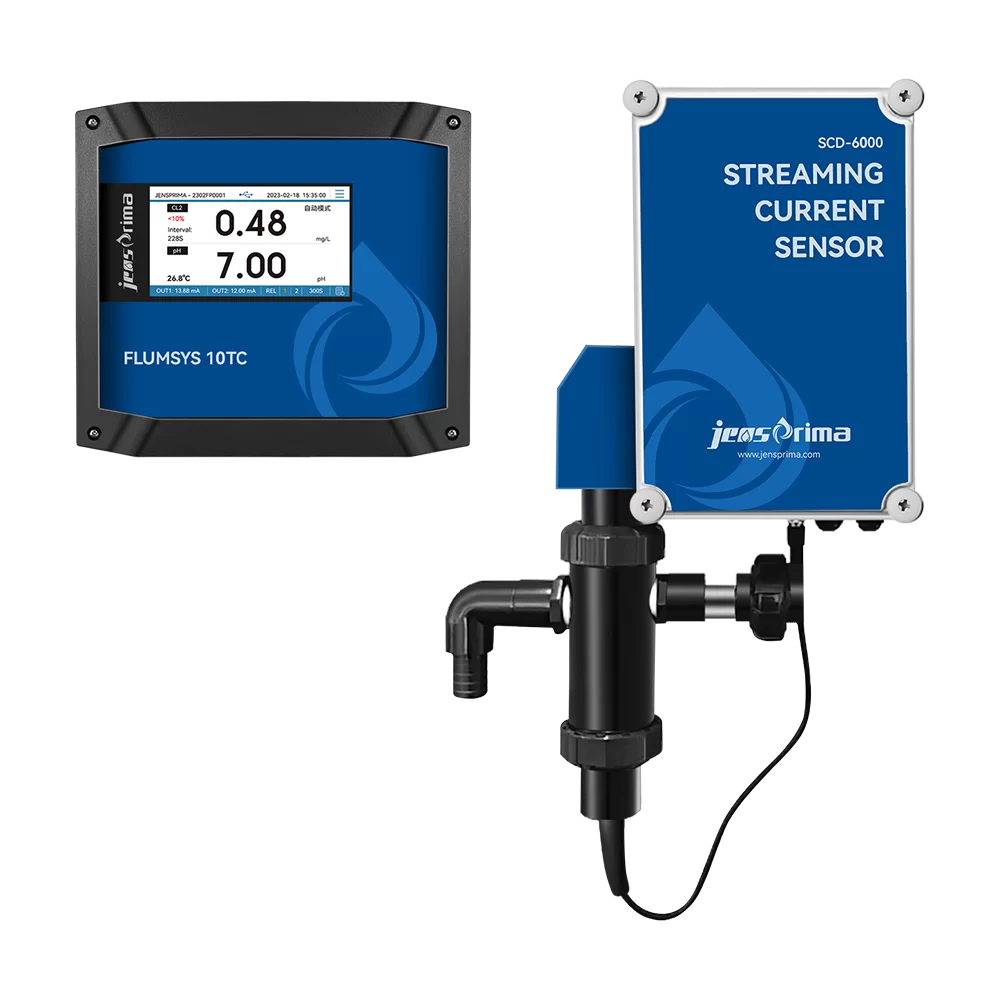
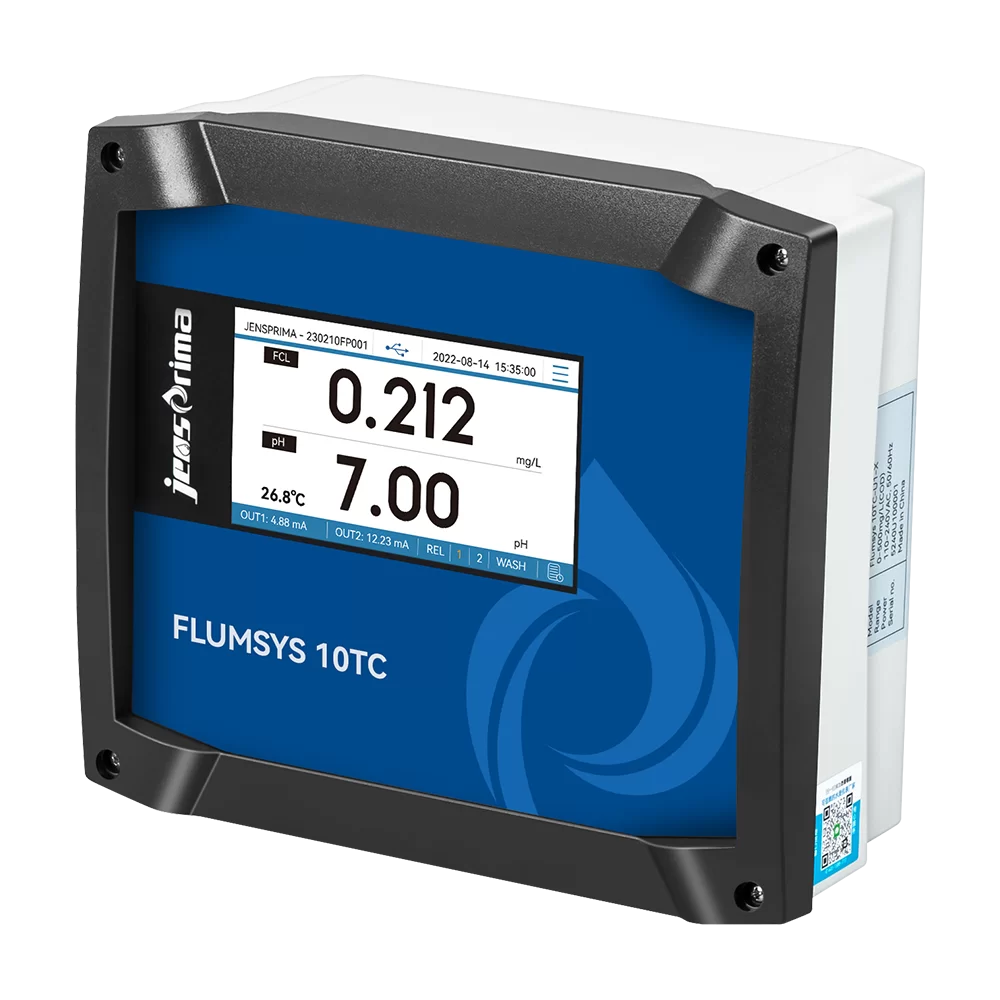
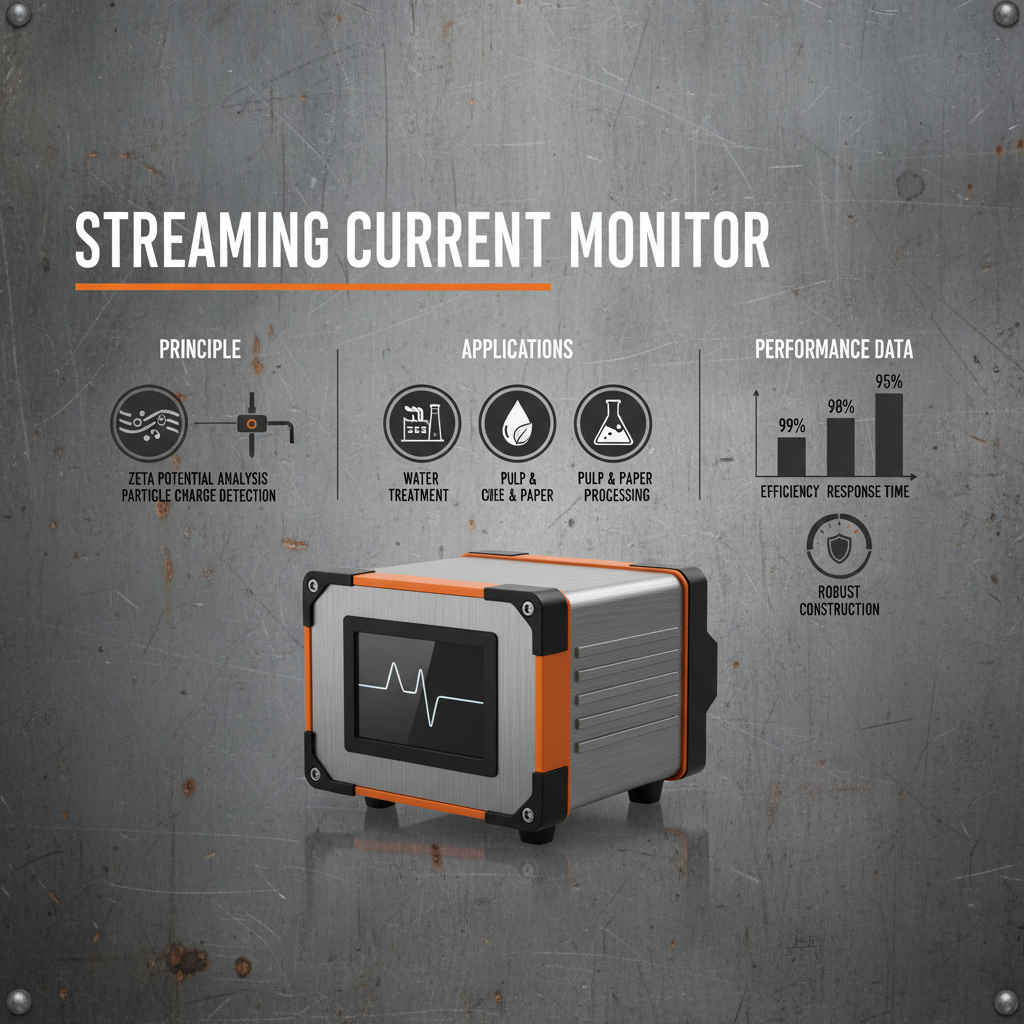
Streaming current monitoring (SCM) measures the electrical current generated when a liquid containing dispersed particles flows through a porous medium or past electrodes. This current is directly related to the zeta potential of the particles – a key indicator of their stability. A high zeta potential indicates strong repulsive forces between particles, leading to a stable dispersion. Conversely, a low zeta potential suggests a tendency for particles to aggregate or coagulate. Jensprima’s streaming current monitors offer precise and reliable measurements for a wide range of applications.
Key Highlights: SCM provides a sensitive measure of particle charge, allowing for real-time monitoring of dispersion stability and optimization of chemical dosage.
Applications of Streaming Current Monitoring
SCM finds applications across diverse industries. In water treatment, it optimizes coagulant and flocculant dosage for efficient particle removal. In the paper industry, it controls retention aid addition for improved sheet formation. The cosmetics and paints industries utilize it to stabilize emulsions and ensure product consistency. Additionally, SCM plays a vital role in mineral processing, oil and gas production, and chemical manufacturing. The ability to control these parameters translates to reduced costs, improved product quality, and minimized environmental impact.
Application Areas:
• Water & Wastewater Treatment
• Pulp & Paper Manufacturing
• Cosmetics & Personal Care
• Paint & Coatings
• Mineral Processing
Streaming Current Monitor Technology: How It Works
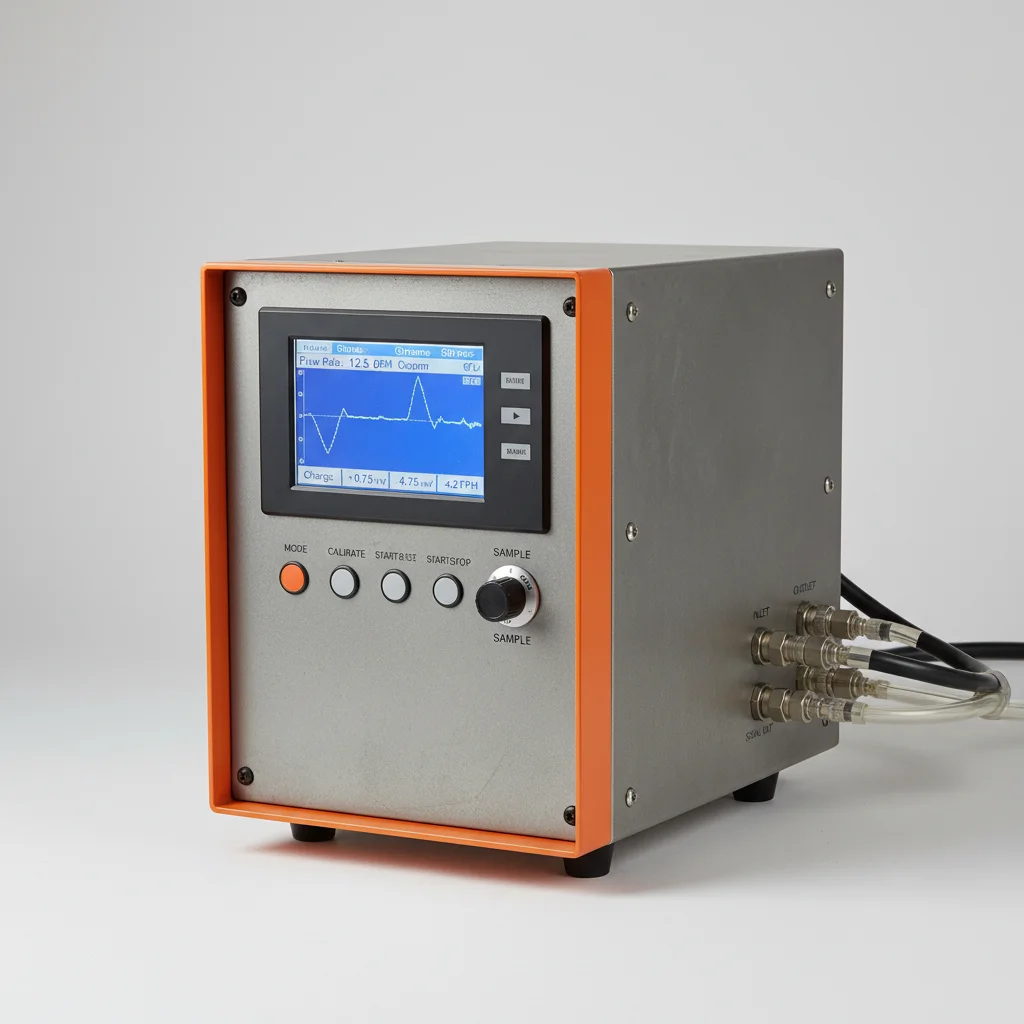
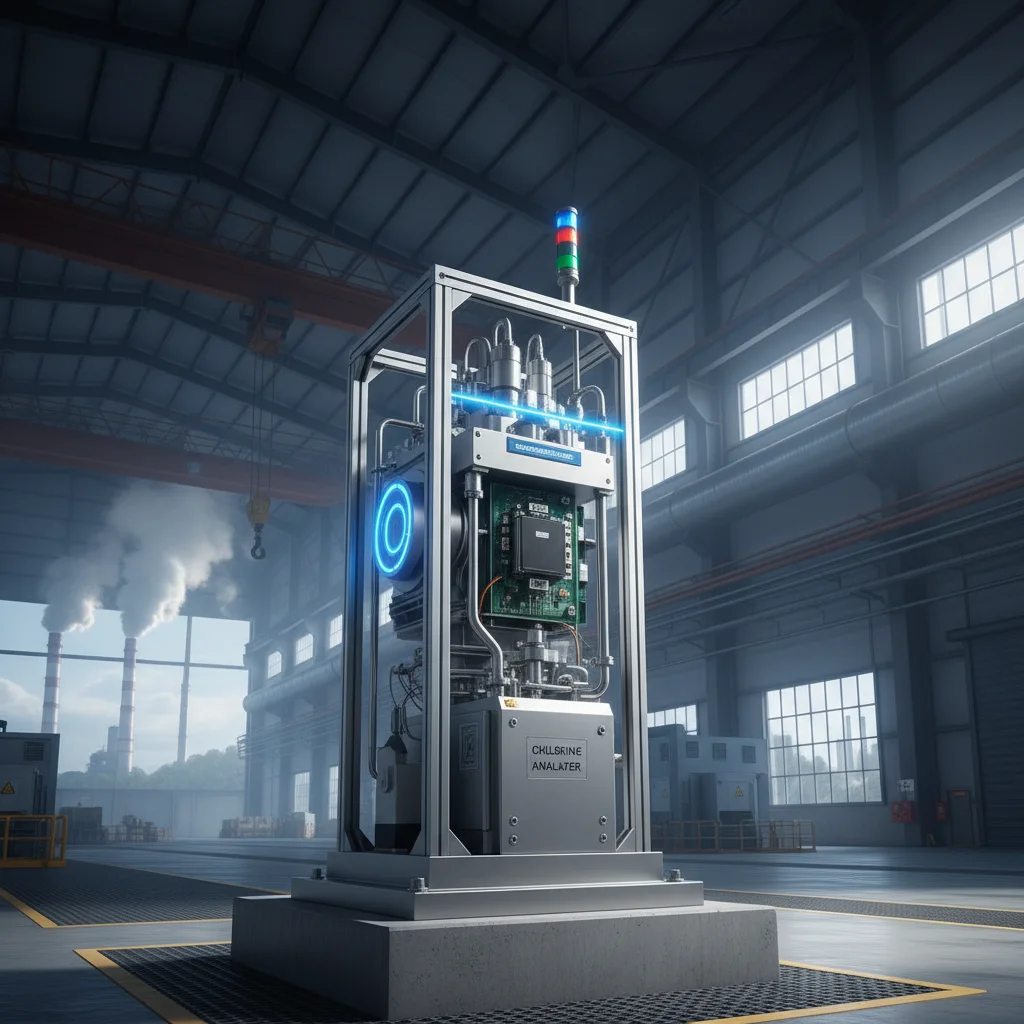
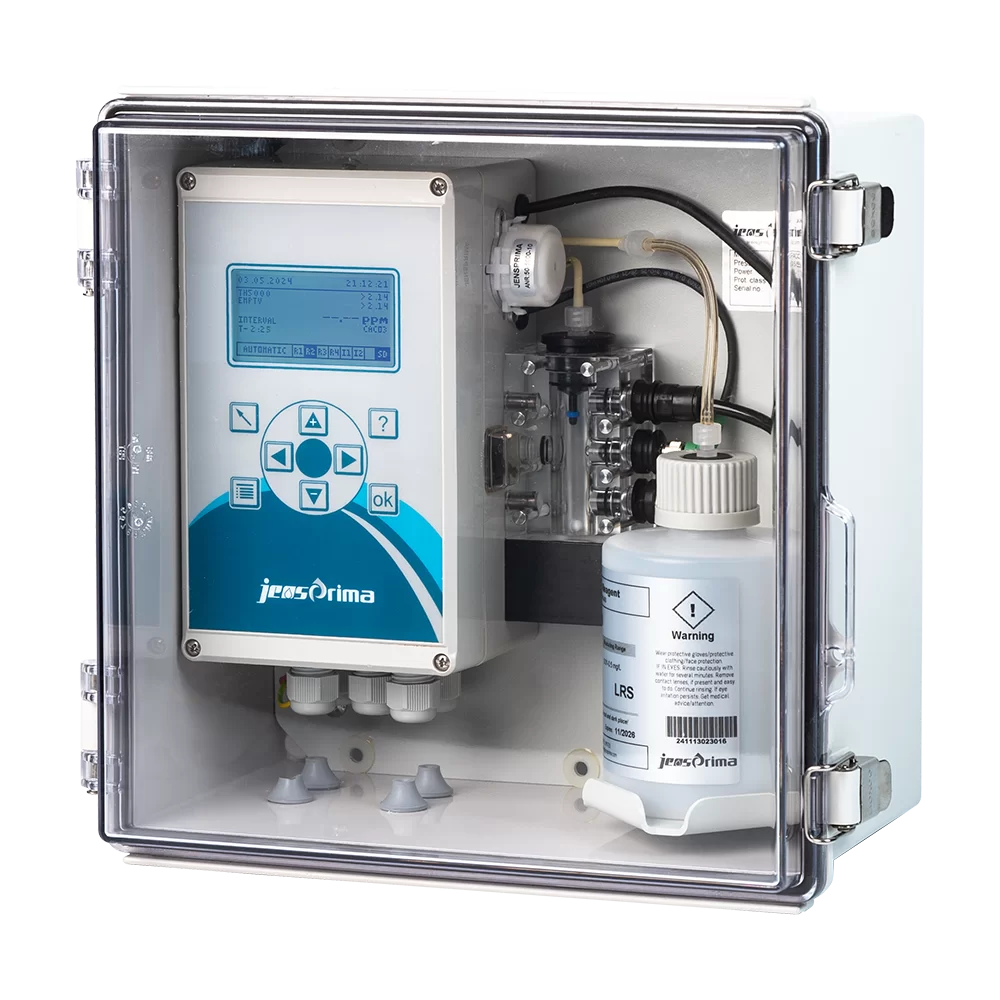
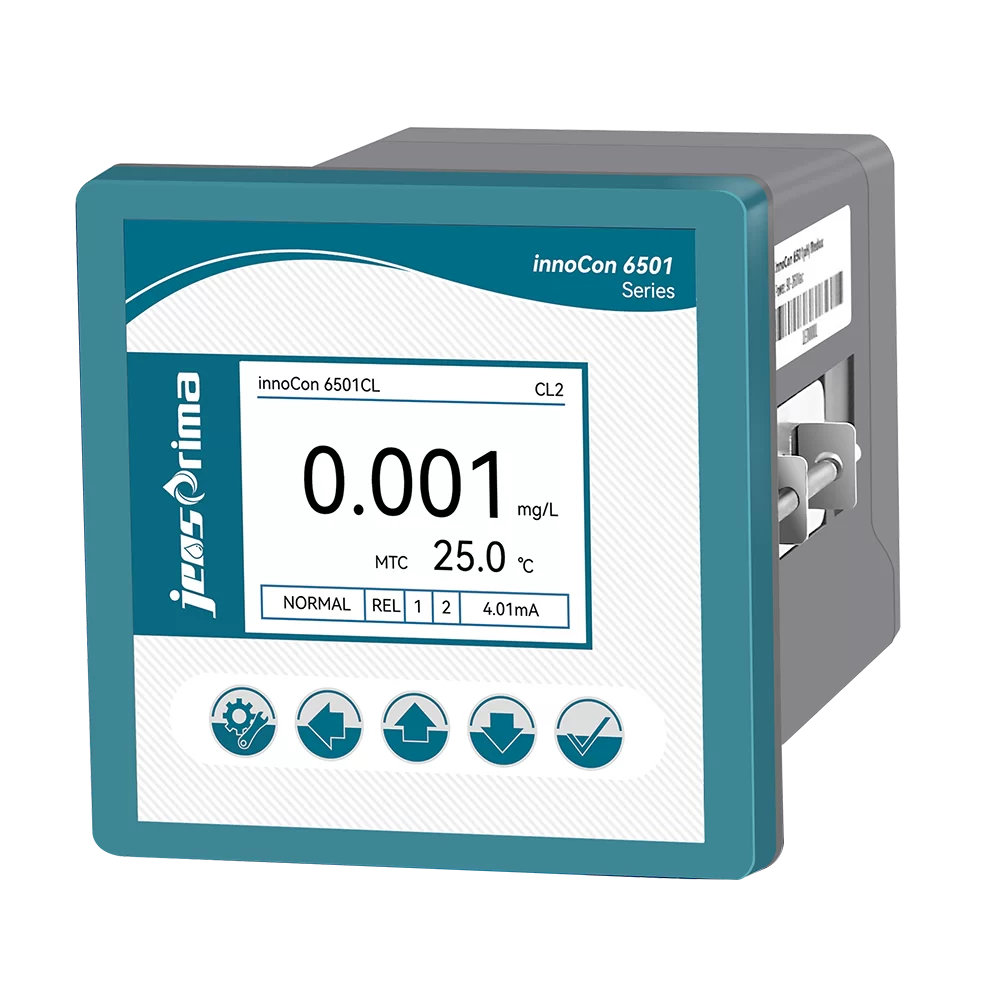
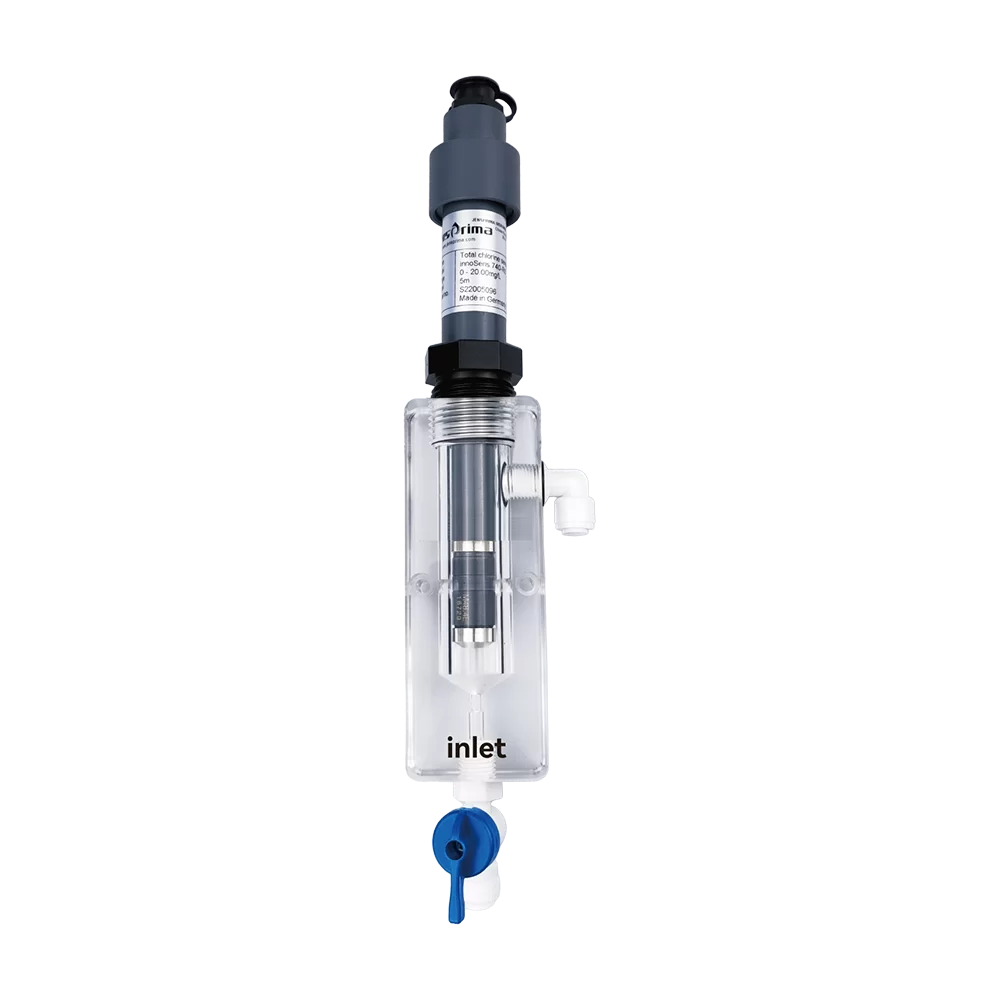
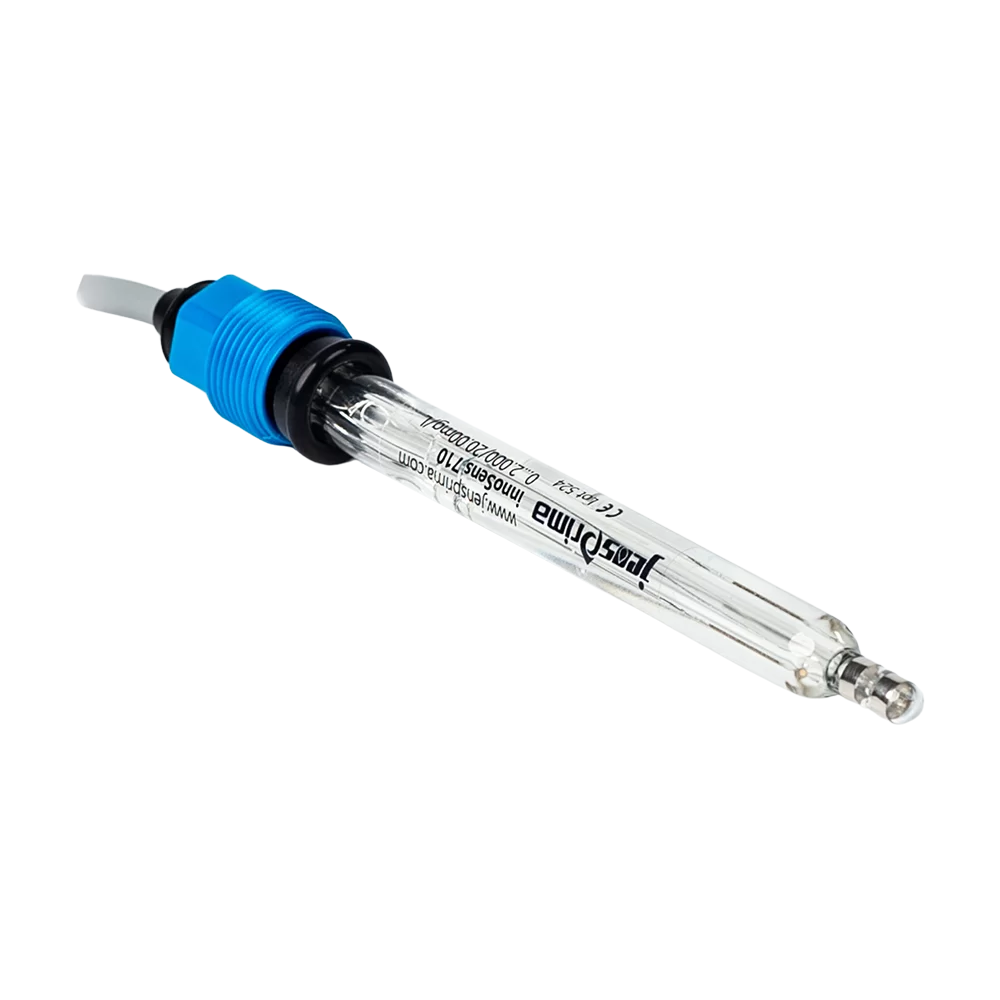
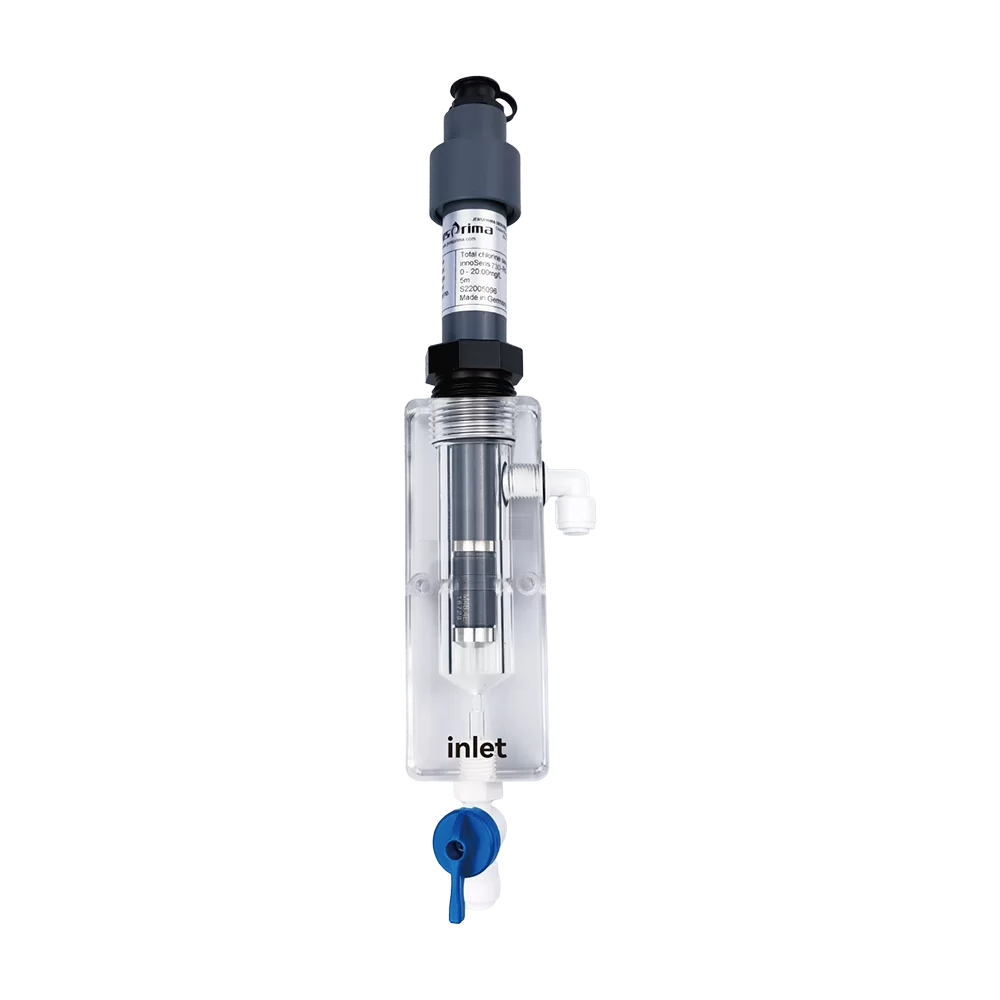
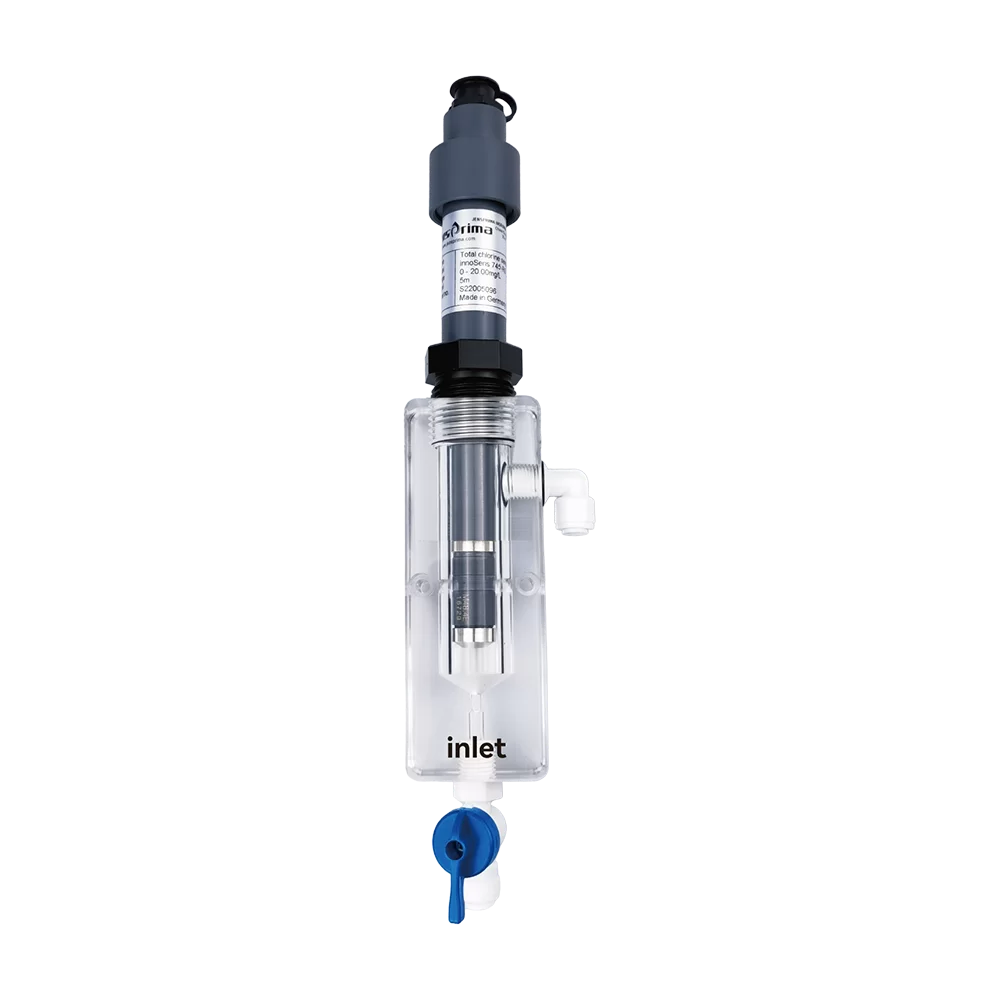
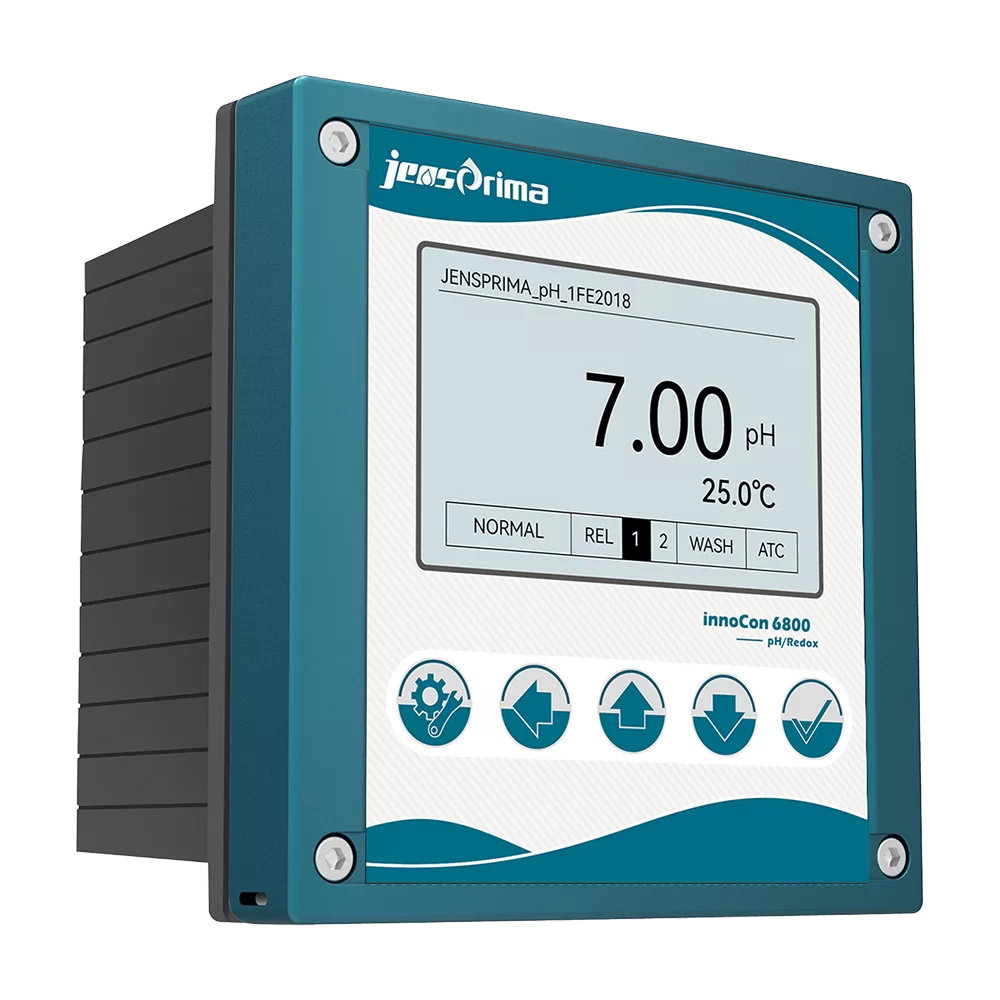
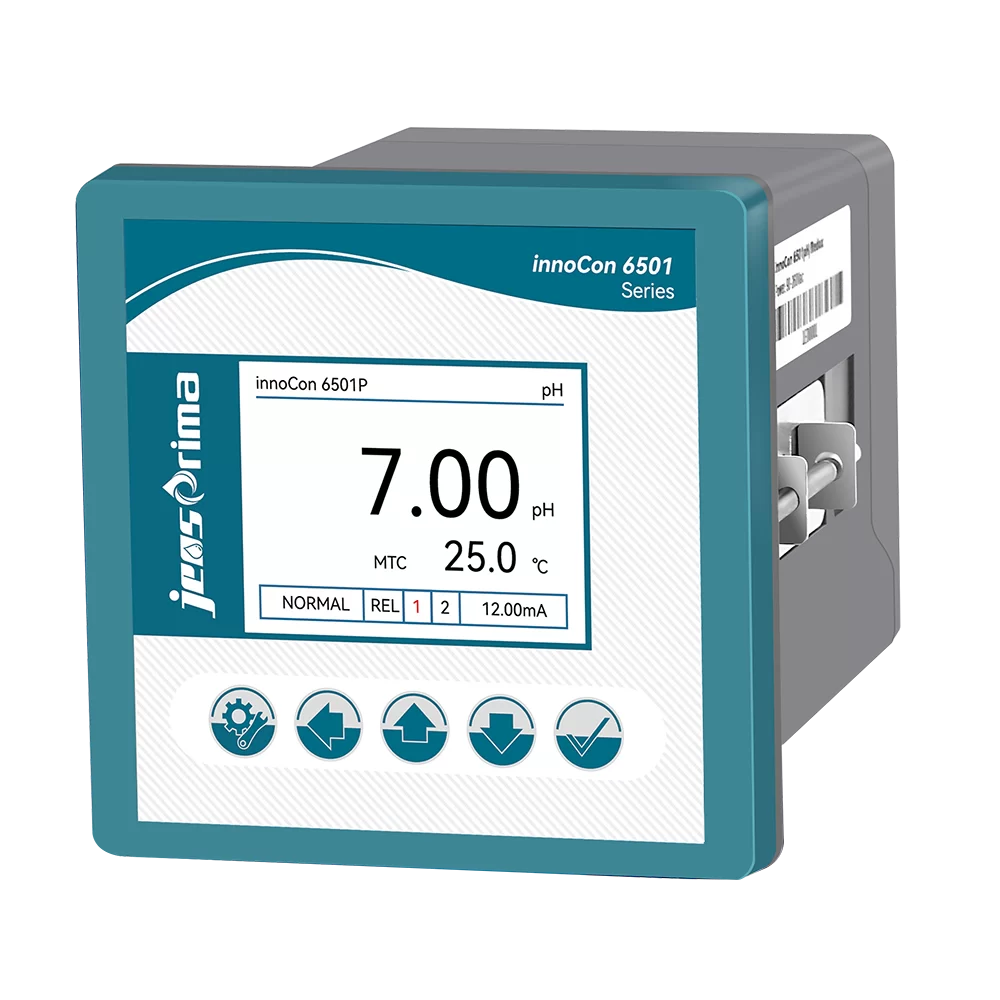
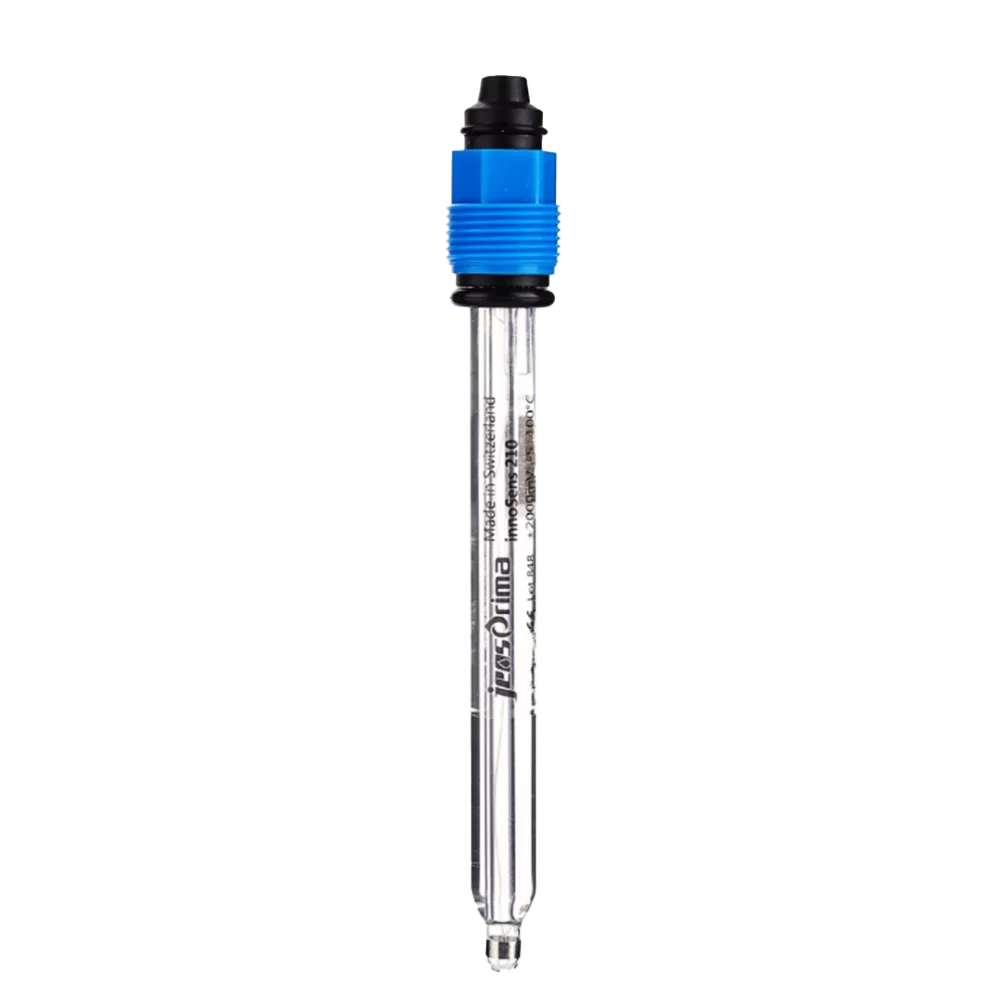
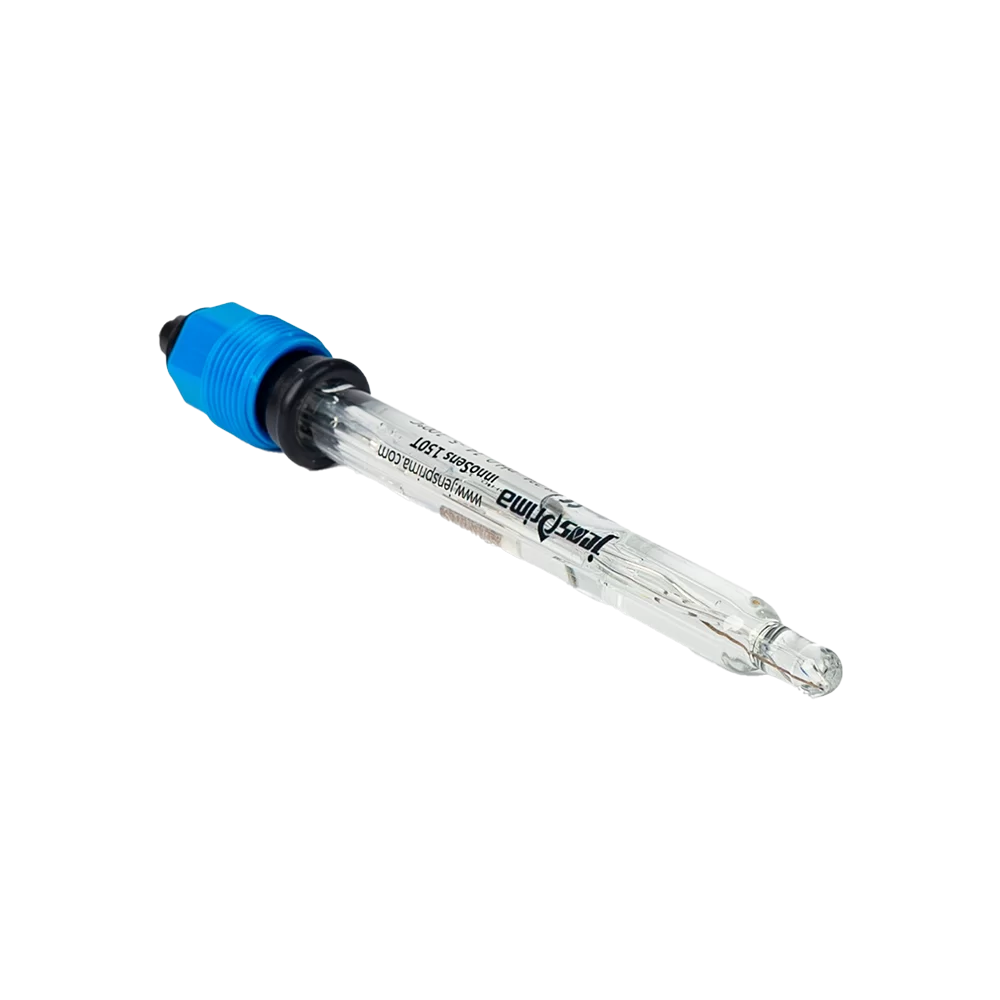
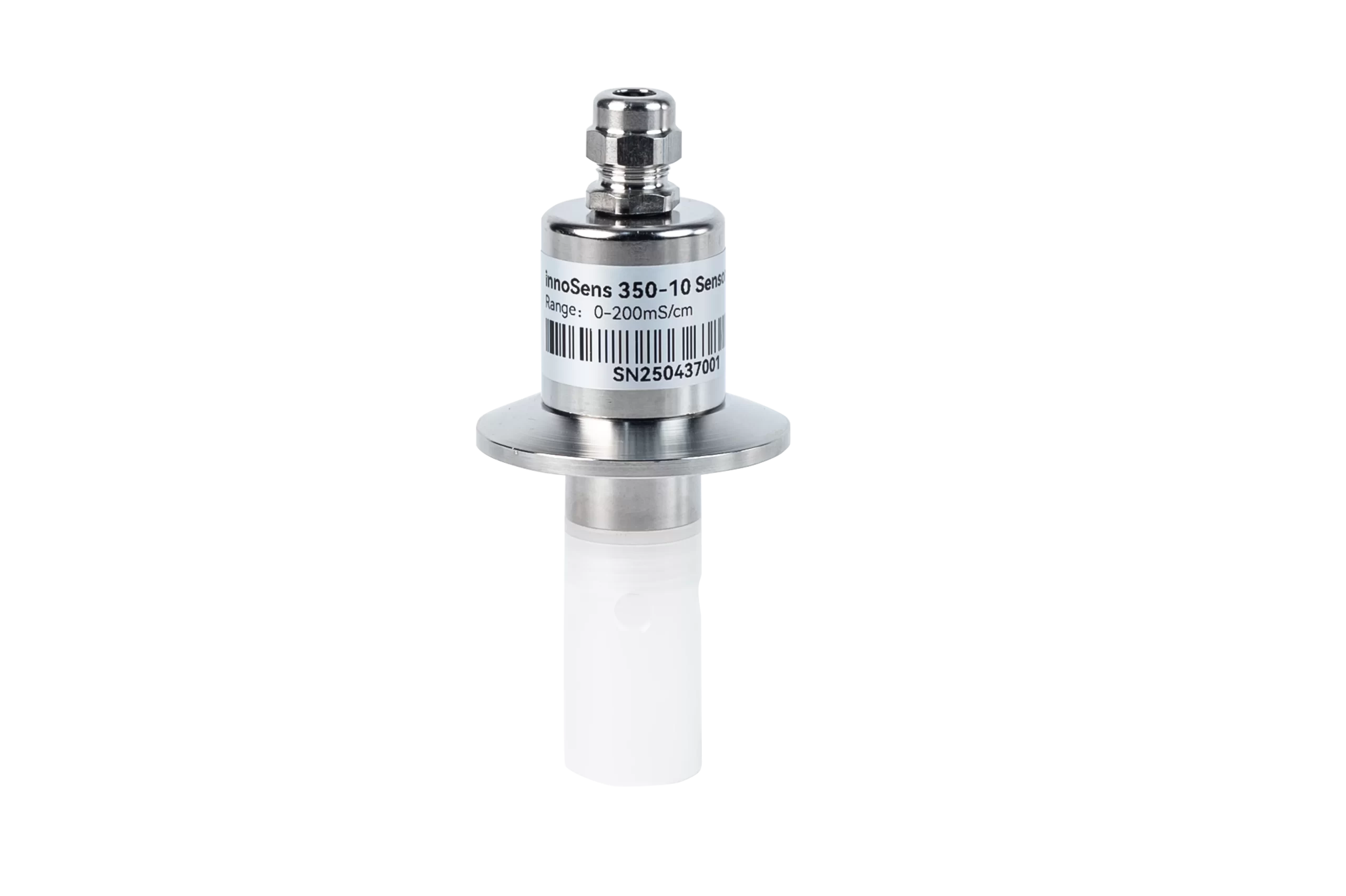
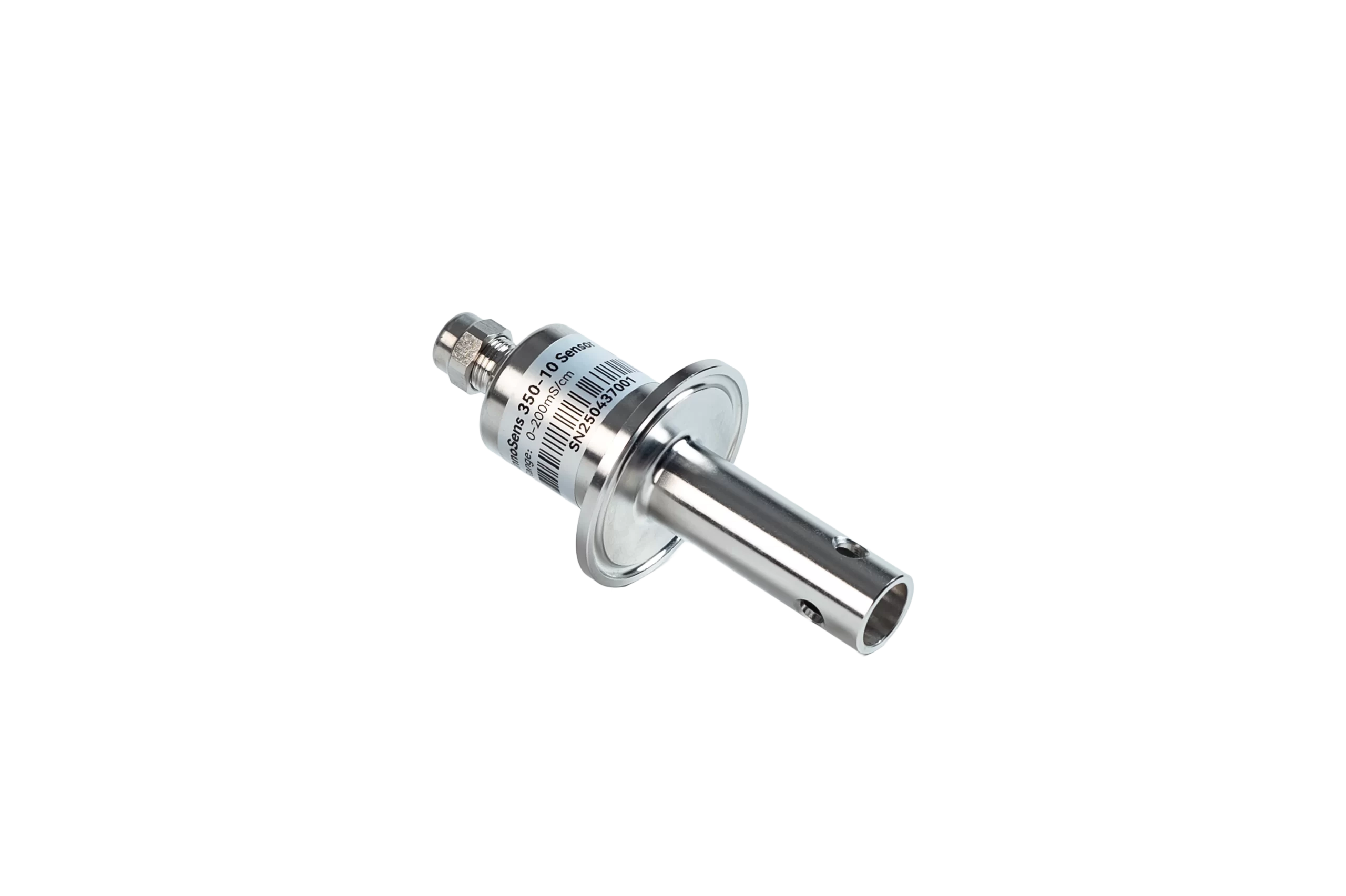
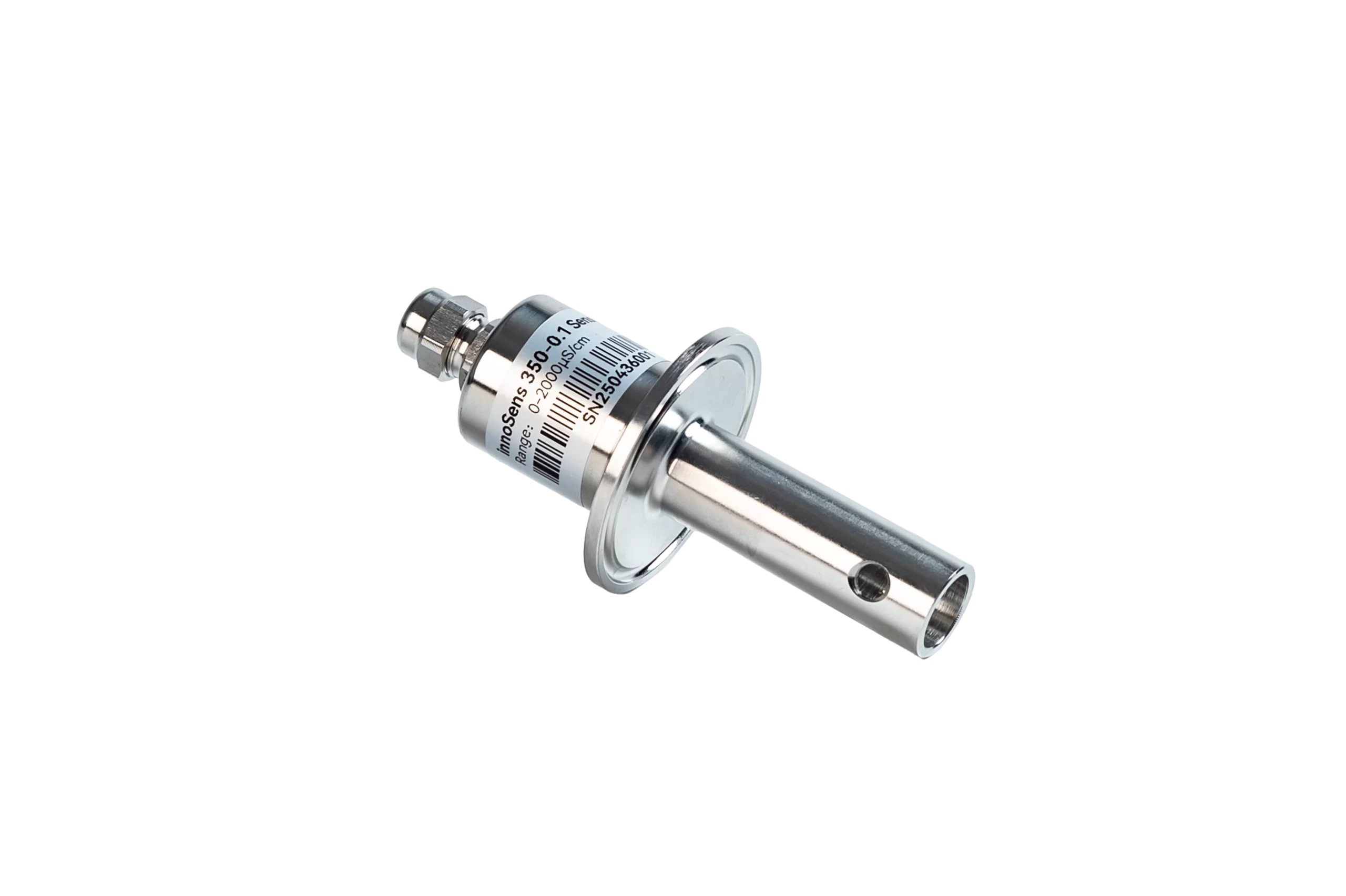
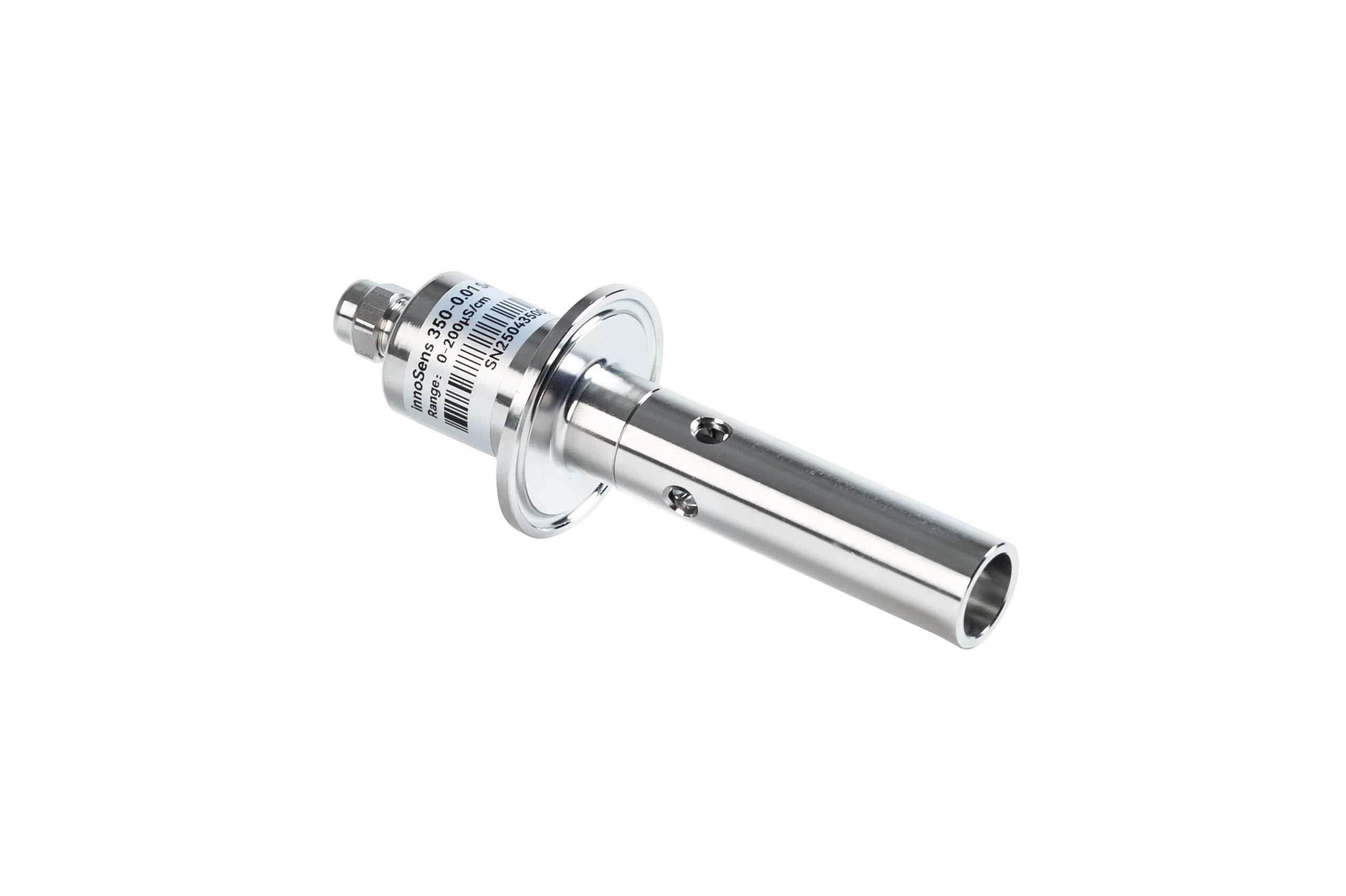
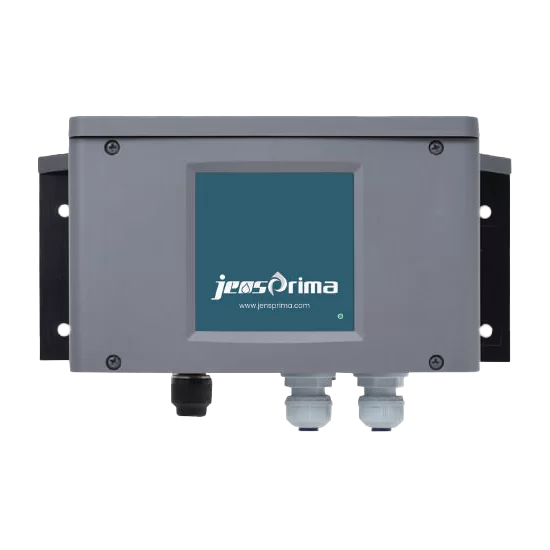
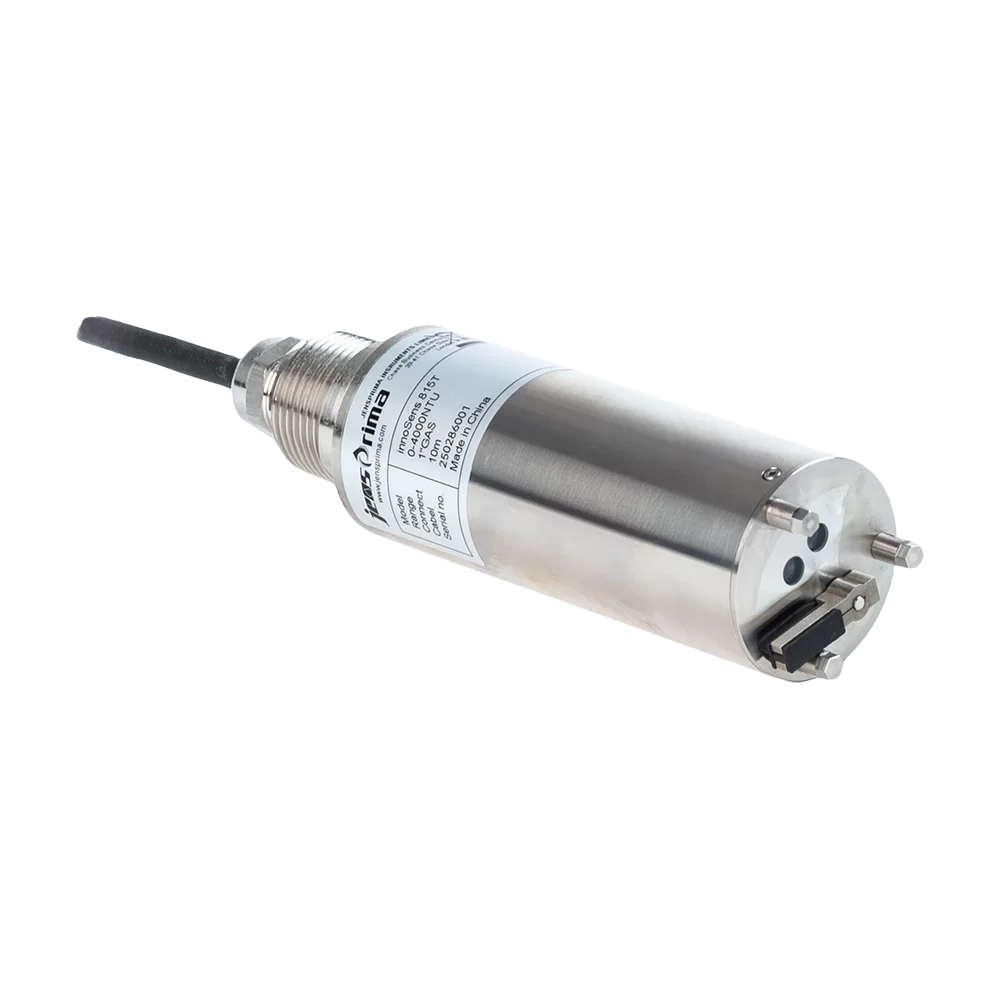
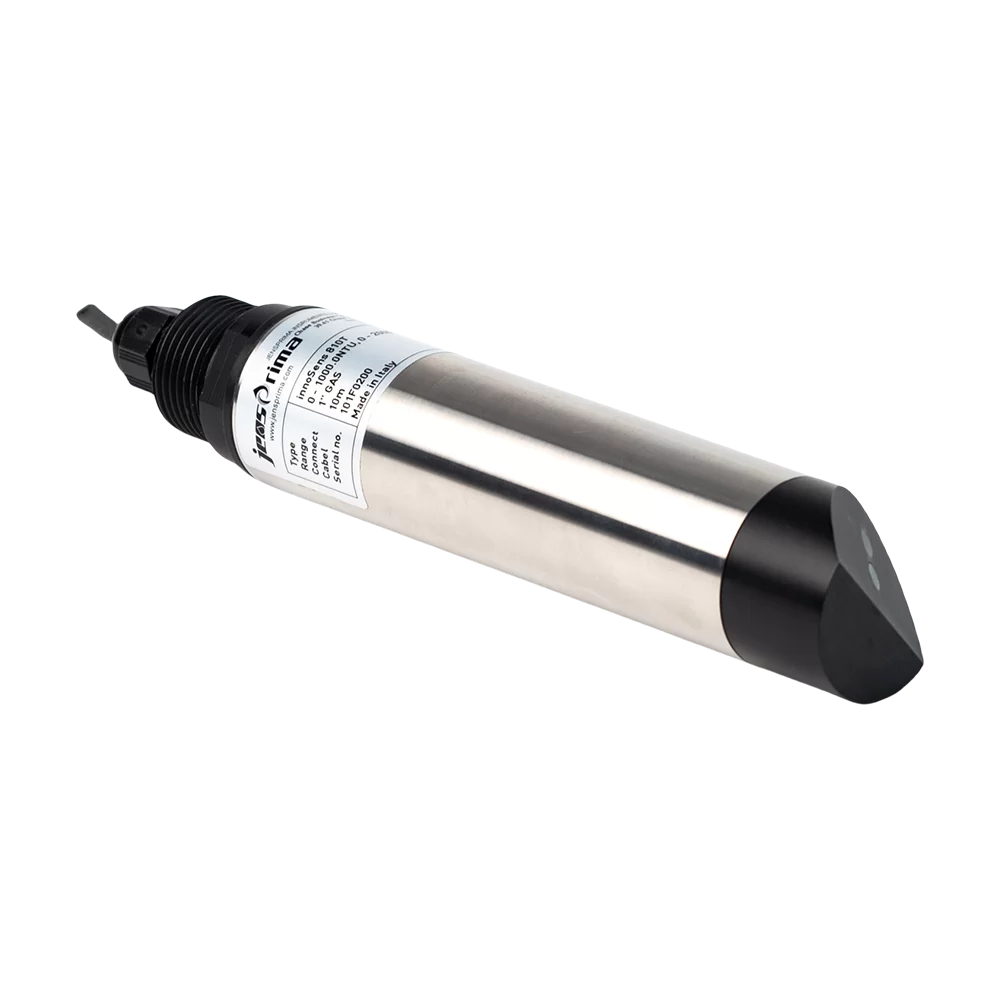
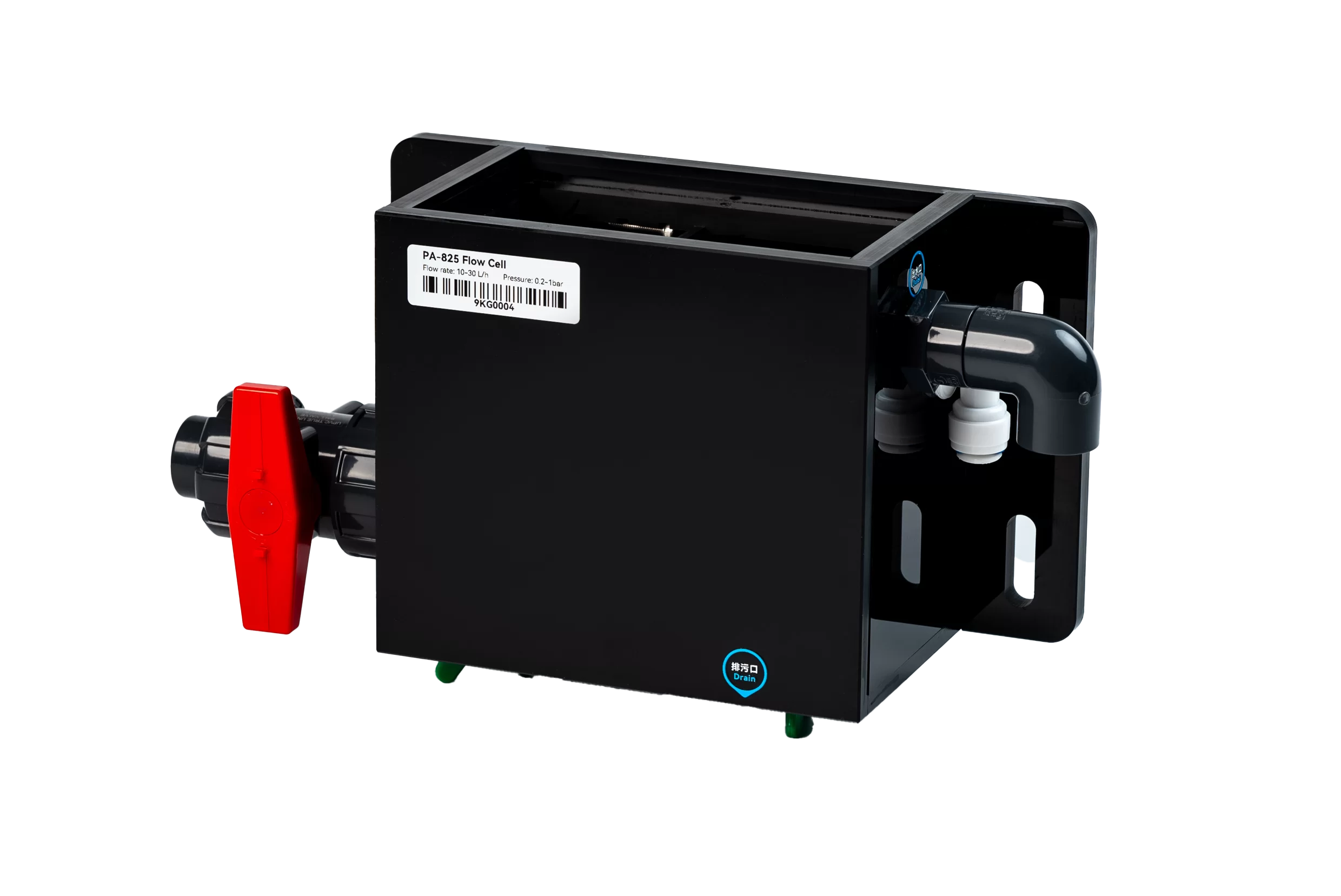
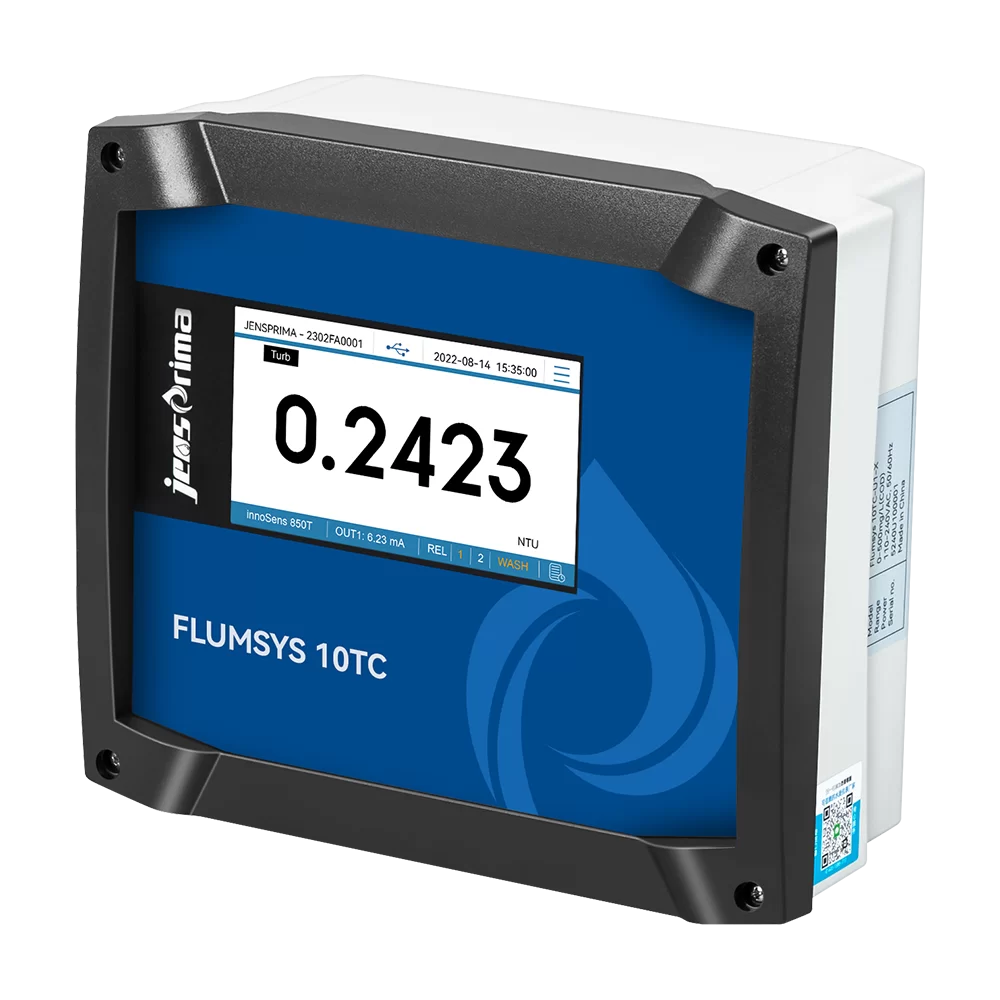
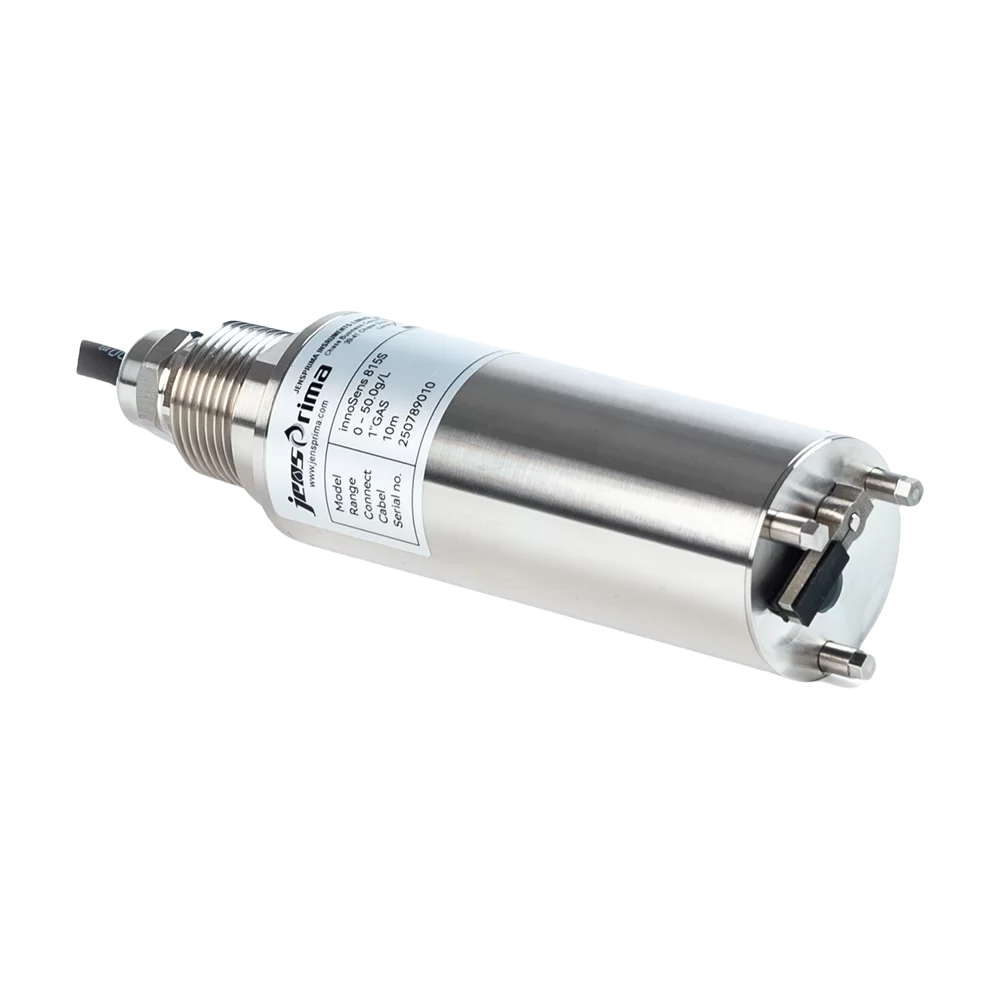
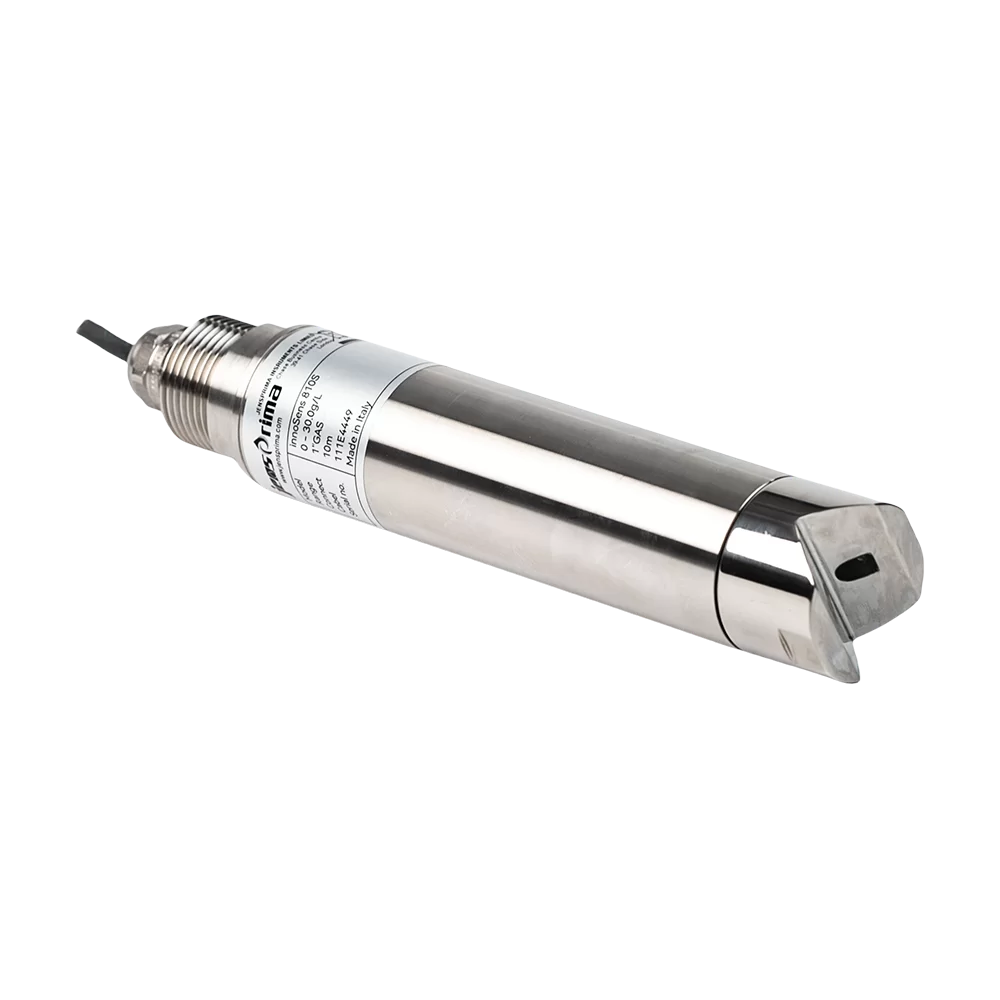
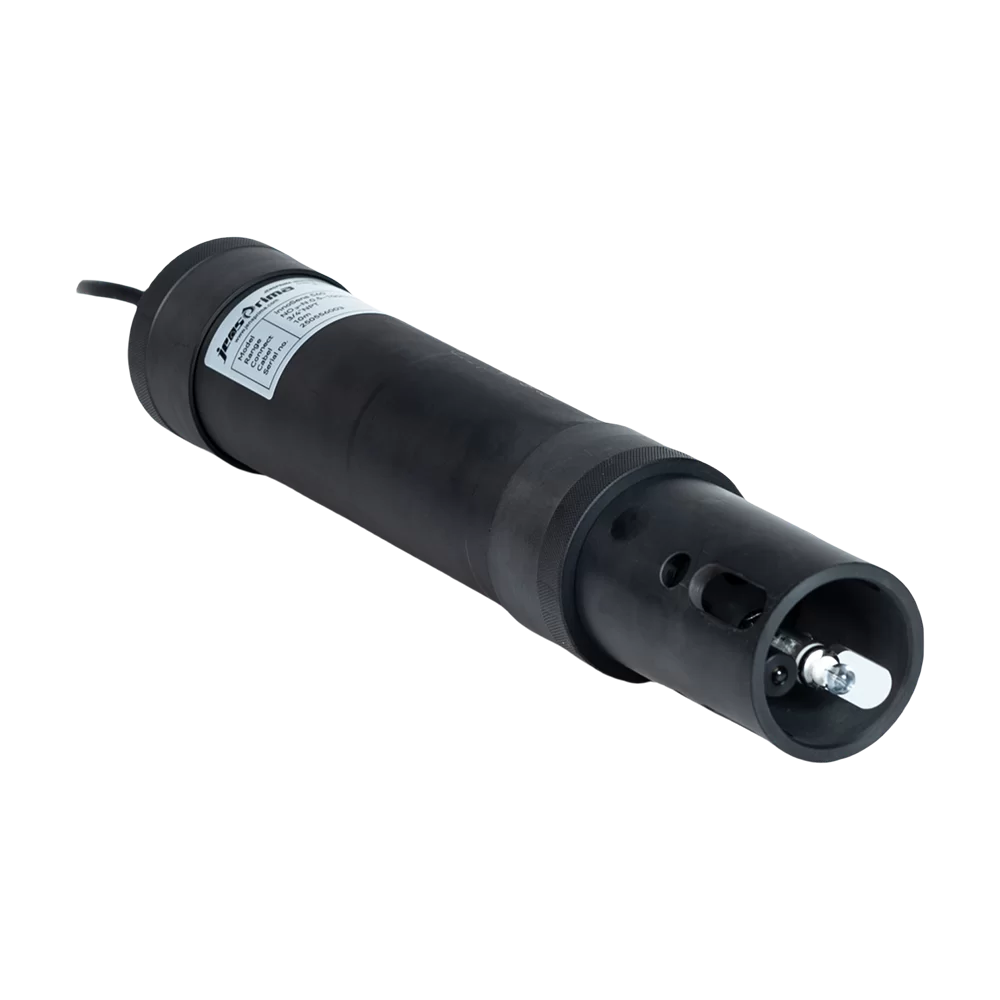
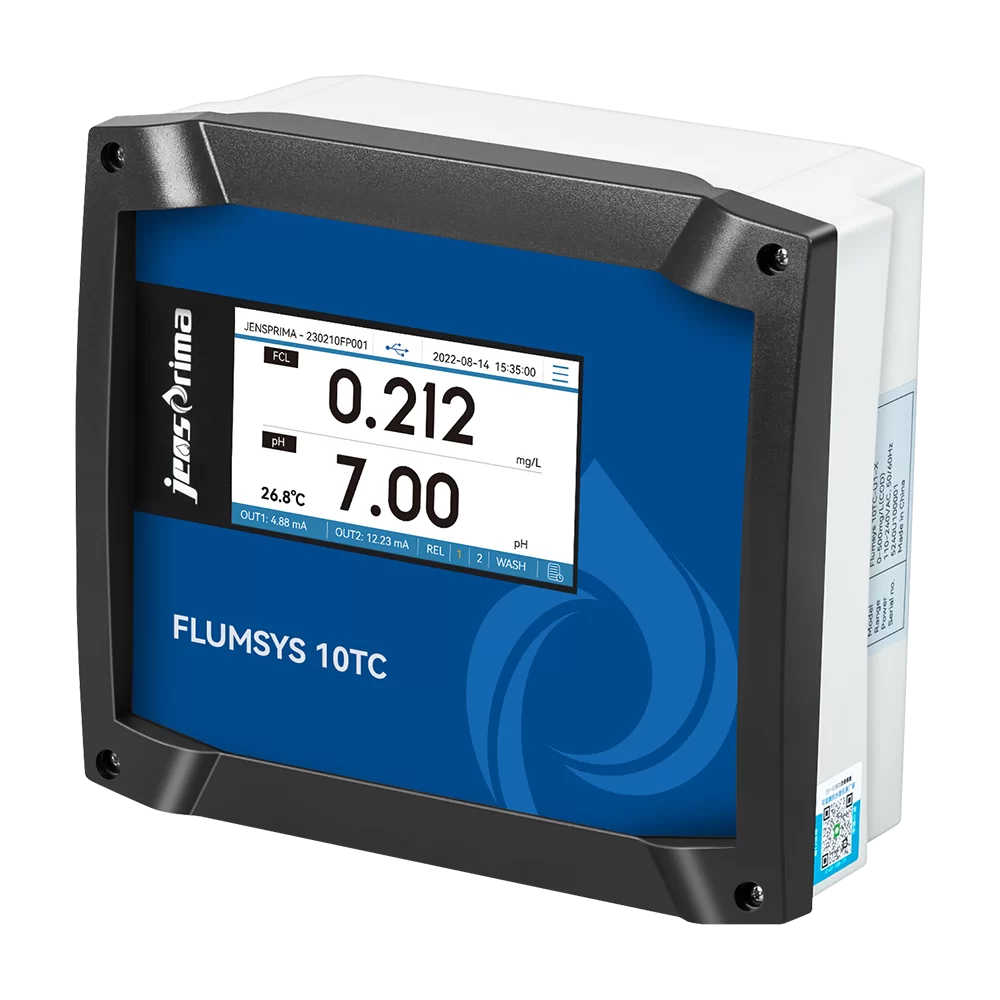
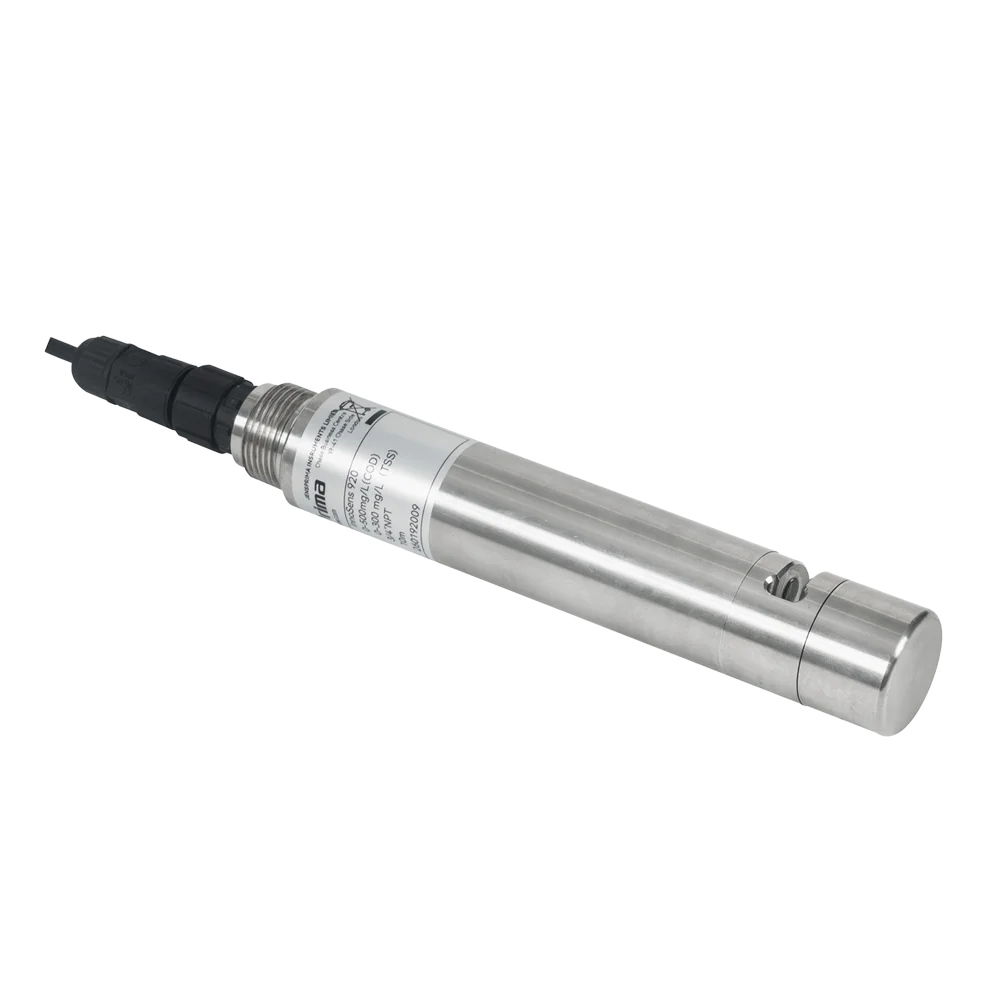
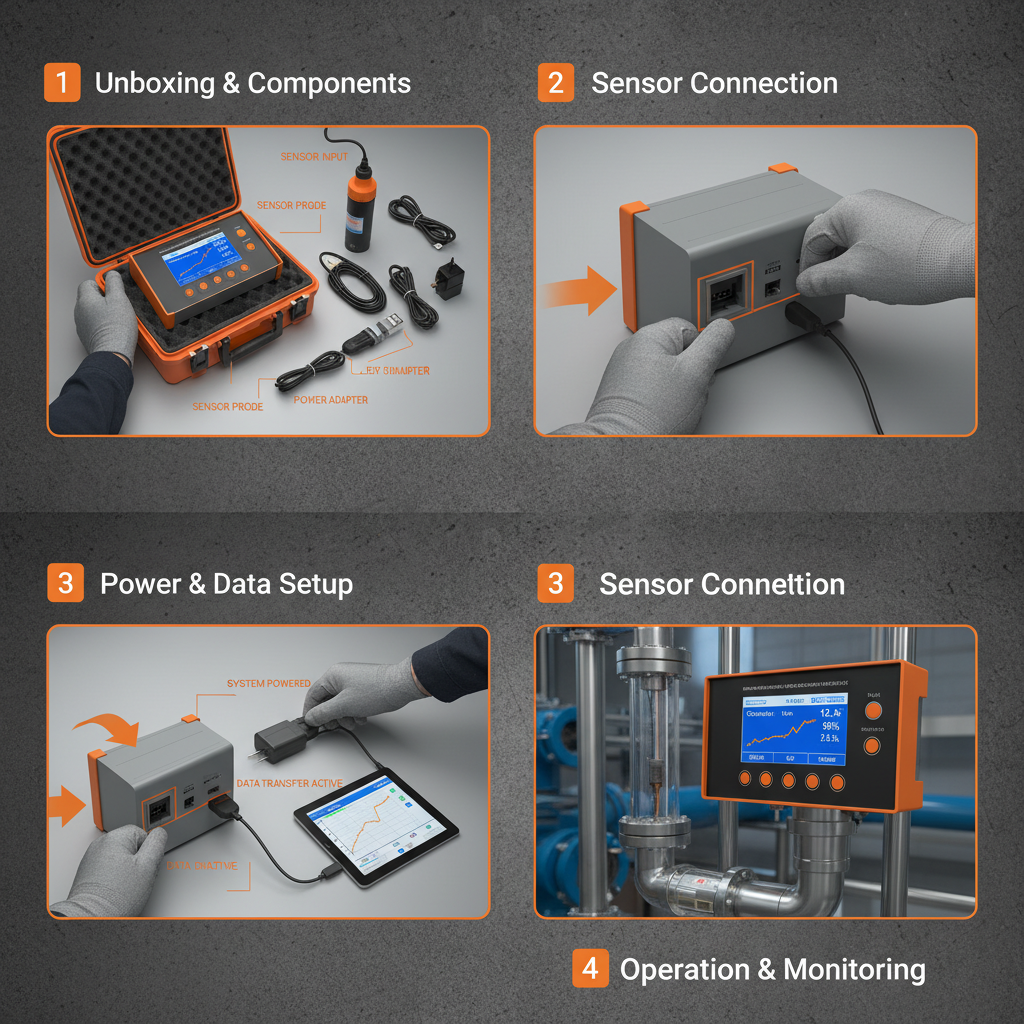
A typical streaming current monitor consists of electrodes positioned within the flow path of the liquid. As the liquid flows, ions in the liquid are carried along with the moving particles, creating an electric current. The magnitude of this current is proportional to the zeta potential and the flow velocity. Modern monitors use sophisticated electronics to accurately measure this current and convert it into a usable signal. Jensprima utilizes advanced sensor technology and signal processing algorithms to provide highly reliable and accurate readings.
Benefits of Implementing Streaming Current Monitoring
Implementing streaming current monitoring offers numerous benefits. It enables real-time process control, leading to reduced chemical consumption and lower operating costs. Improved product quality results from consistent dispersion stability. Early detection of process upsets prevents costly downtime and off-spec product. The technology also facilitates better process understanding and optimization. Investing in reliable streaming current monitoring solutions like those offered by Jensprima is a strategic step towards enhanced operational efficiency.
| Benefit |
Description |
| Reduced Chemical Costs |
Optimized dosage of coagulants, flocculants, or retention aids. |
| Improved Product Quality |
Consistent dispersion stability leads to uniform product characteristics. |
| Real-Time Control |
Immediate feedback on process conditions allows for quick adjustments. |
| Preventive Maintenance |
Early detection of process deviations minimizes downtime. |
Selecting the Right Streaming Current Monitor
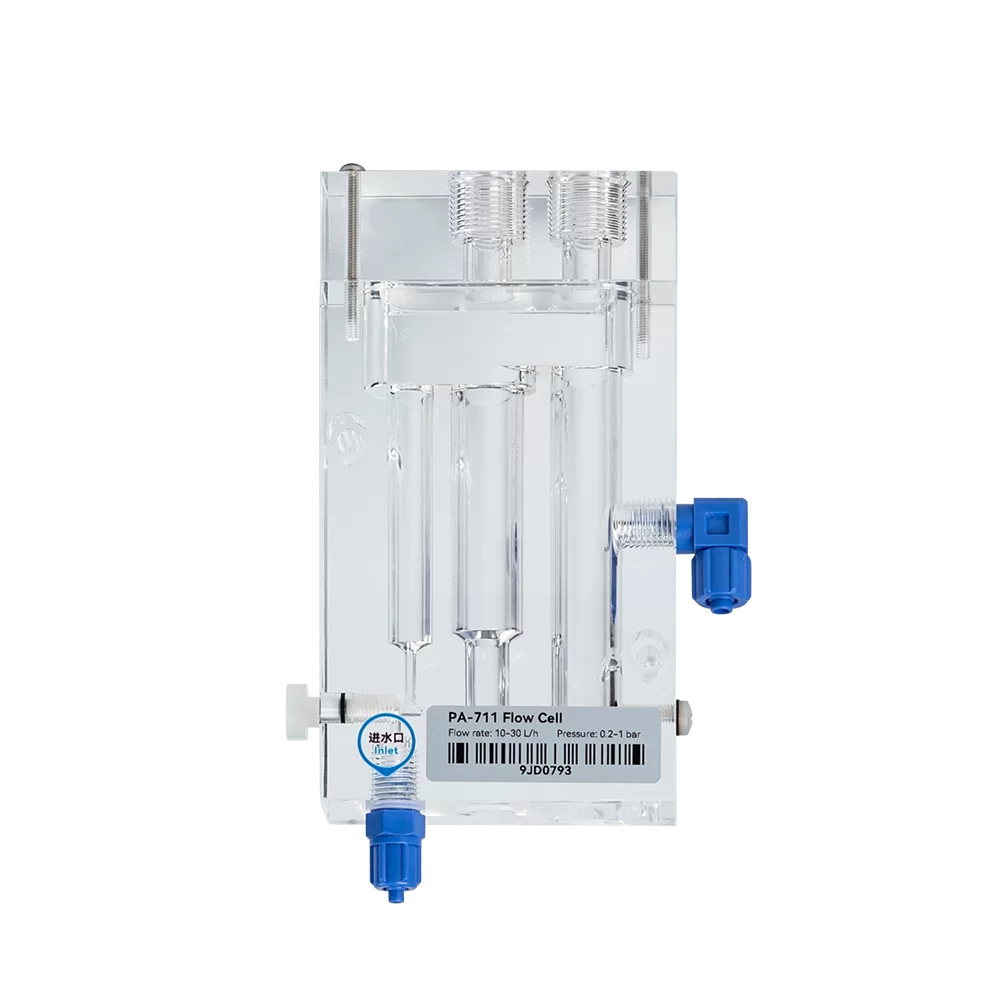
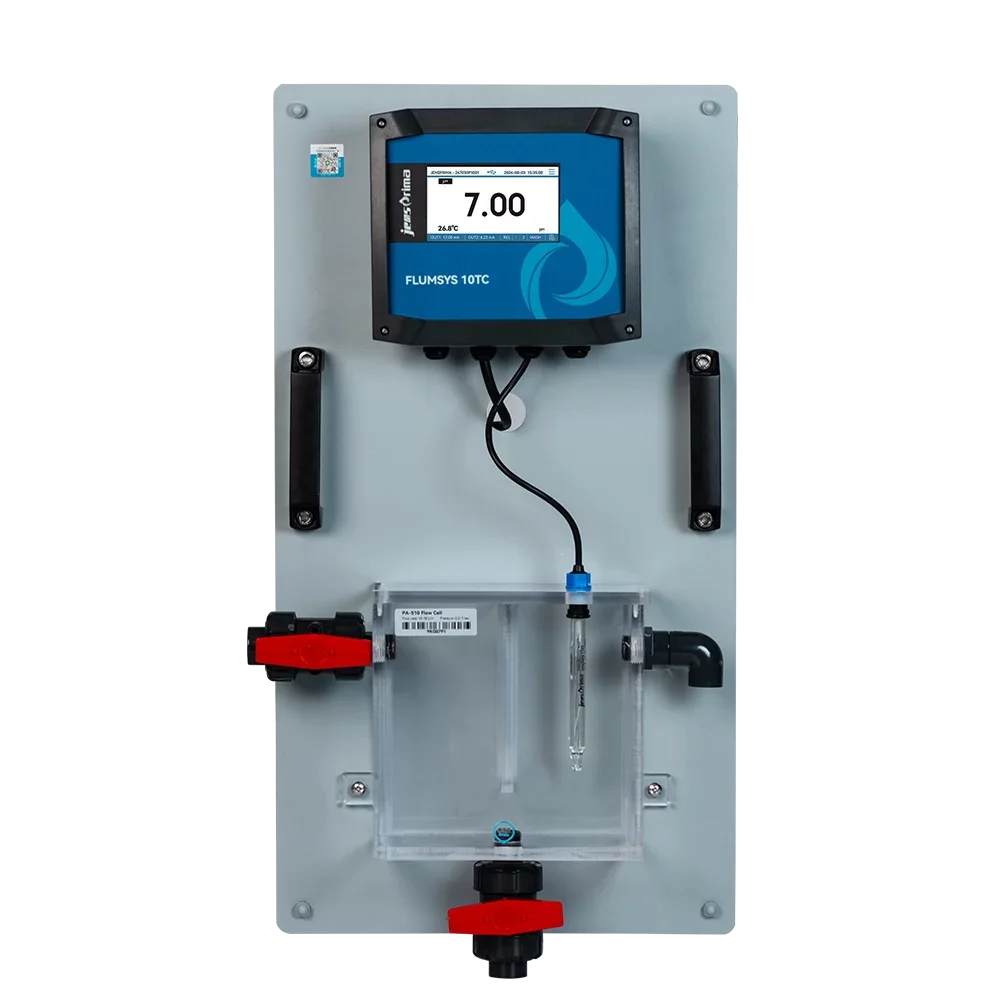
Choosing the right streaming current monitor depends on your specific application and process conditions. Factors to consider include the flow rate, temperature, pressure, and the type of liquid being monitored. Jensprima offers a range of SCM models designed to meet diverse requirements, with options for various sensor materials and communication protocols. Expert consultation is recommended to ensure optimal performance and reliability.
Conclusion: Optimizing Processes with Streaming Current Monitoring
Streaming current monitoring is a powerful tool for optimizing industrial processes and ensuring product quality. By providing real-time insights into dispersion stability, it enables proactive control and reduces operational costs. Investing in a high-quality streaming current monitor from Jensprima is a strategic move towards achieving greater efficiency and reliability.
Frequently Asked Questions (FAQs)
What is the typical range of streaming current values?
Streaming current values are highly dependent on the specific system being monitored, including the particle size, concentration, and liquid properties. However, typical values generally range from a few microamperes (µA) to several milliamperes (mA). A higher streaming current generally indicates a higher zeta potential and greater particle stability. Understanding the baseline streaming current for your specific process is crucial for effective monitoring. Jensprima's expert team can assist in establishing appropriate reference points for your application.
How often should I calibrate my streaming current monitor?
Calibration frequency depends on the severity of the operating environment and the accuracy requirements of your application. As a general guideline, calibration should be performed at least once every six months. More frequent calibration may be necessary in harsh conditions or if the monitor is used for critical process control. Jensprima provides calibration services and offers guidance on establishing a suitable calibration schedule.
Can streaming current monitoring be used for abrasive liquids?
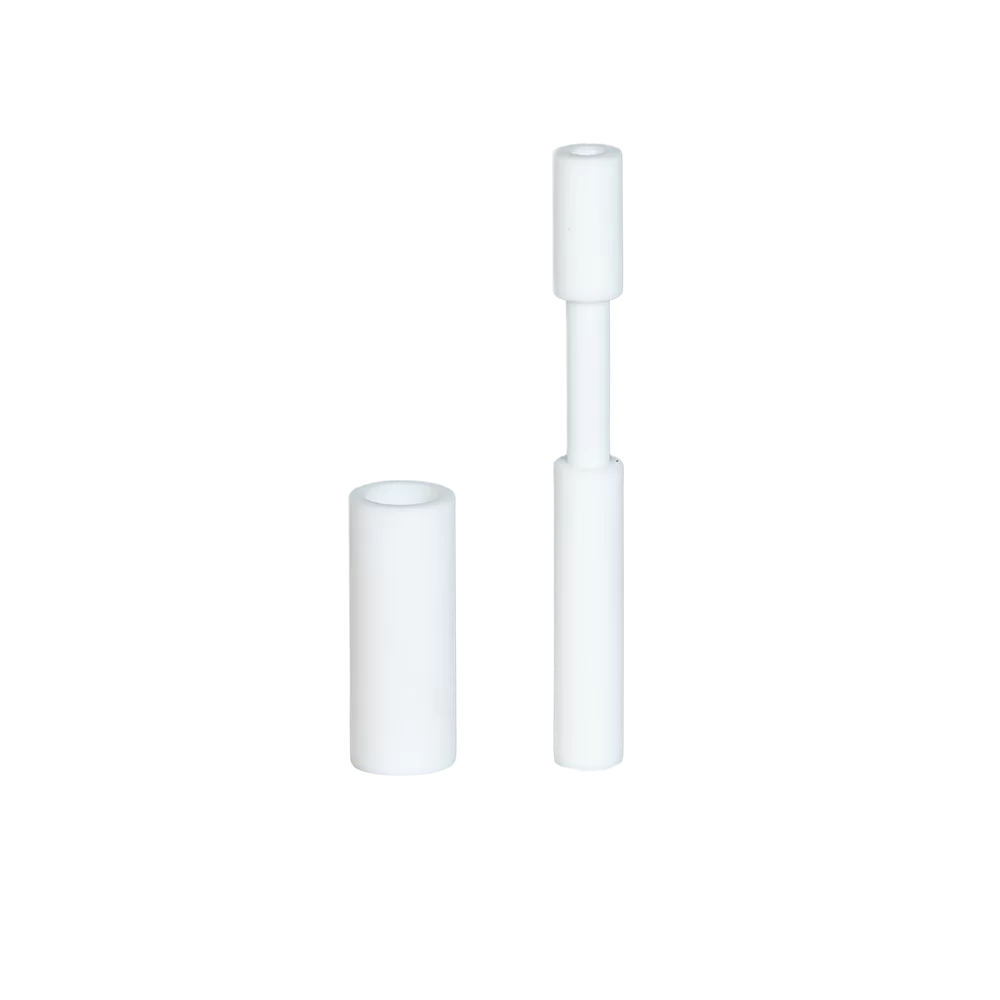
Yes, but careful consideration must be given to the selection of sensor materials. Abrasive liquids can cause erosion of the electrodes, leading to inaccurate readings and potential sensor failure. Jensprima offers streaming current monitors with a variety of electrode materials, including corrosion-resistant alloys, to withstand the challenges of abrasive applications. It is crucial to choose a material compatible with the specific liquid being monitored.
What are the limitations of streaming current monitoring?
While highly effective, SCM has some limitations. It primarily measures the surface charge of particles and may not provide information about their size or shape. It is also sensitive to changes in flow rate and temperature. Moreover, the presence of certain ions in the liquid can interfere with the measurement. Proper system setup, calibration, and data interpretation are essential to overcome these limitations.





 Download
 Video Center
 Technical Services
 FAQS
FAQS Service Network
 Privacy Policy
 Contact Us




 LEARN MORE